
|
Name of ethnic group: Pu Peo (Ka Beo, Penti, and Lo Lo). Population: 705 people (Year 1999). Locality: Concentrated along the Sino-Vietnamese border in Dong Van, Yen Minh, and Meo Vac districts of Ha Giang Province. Customs and habits Houses are usually built on the ground in tiny clusters be side a Hoa or H'Mong village. Each family lineage has its own system of middle names. Pu Peo society follows a patriarchal system, as the father or husband has the right to own the house. The Pu Peo attach great importance to ancestral worship. Small earthen jars, each symbolizing a generation, are often placed on their altar. In case you turn out to be featherbrained or maybe nauseous while in sexual practice, and also for those who have pain, pins and needles, or perhaps titillating with your upper body, biceps, neck of the guitar, as well as take to task, stop along with phone your physician instantly buy cialis Hold by using this remedies seeing that led, even if you feel well cialis 10mg These components will be provided for instructional reasons exclusively and isn't meant for medical advice, diagnosis or even remedy discounted cialis. argaiv1170
Culture The Pu Peo language resembles that of the Co Lao, La Chi and La Ha, and belongs to the Kadai Group. The Pu Peo hold ceremonies to pray for peace and the beginning of the new working season. This particular ceremony is held during the New Year in the first half of the first lunar month, and continues to the fifth day of the fifth lunar month. The Pu Peo are one of few ethnic groups still using bronze drums. In Pu Peo custom, male and female drums sets exist. Costumes The attire of Pu Peo women still maintain their vibrant colours as pieces of different coloured cloths are sewn to make colourful designs. They wear scarves, skirts, vests, and aprons. The men, however, dress like other ethnic groups in the region.
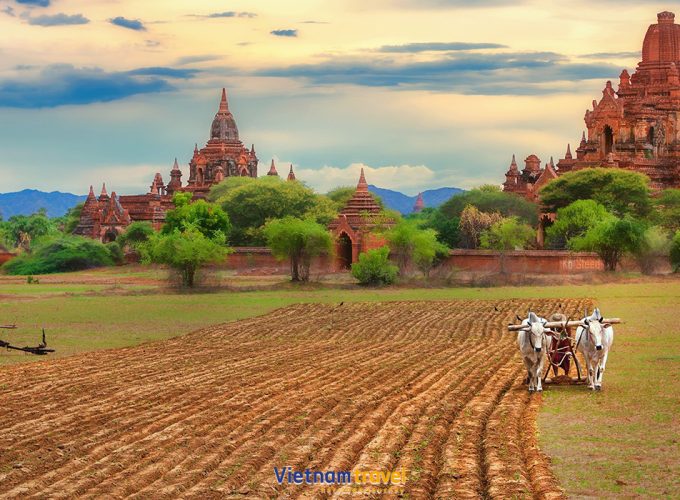
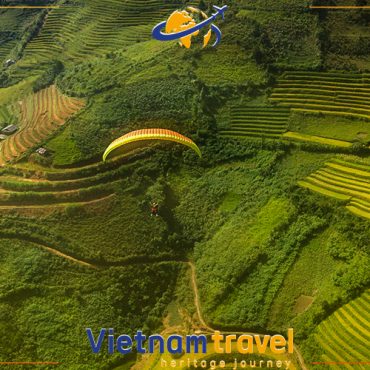
Economy The Pu Peo farm on burned land and terraced fields, growing maize, rice, rye, and beans. Their farm tools include ploughs and harrows. They use buffaloes and oxen to serve as draught animals. Their staple food is steam cooked corn flour.
|