
|
Name of ethnic group: Gia Rai (Gio Rai, To Buan, Hobau, Hdrung and Chor). Population: 317,557 people (Year 1999). Locality: Concentrated in Gia Lai Province, parts of Kon Tum Province and northern Dak Lak Province. Gia Rai girl The Gia Rai believe in the existence of Giang (Genies) and hold many rituals connected to their genies. They live in separate villages called ploi or bon. Houses are built on stilts. The village chief and the elders have great prestige in Gia Rai society and play a role in running collective activities. Each village has a communal house called a Rong. A matriarchal system has been adopted. Women are free to choose their lovers and decide who they marry. The husband lives with his wife's family and has no rights to inheritance. The daughter, after marriage, no longer lives with her parents and inherits from them. The children take the family name of the mother. The particular ataractic outcomes of zolpidem may perhaps be more powerful around mature older people buy cialis canada decrease in desires for food, nausea or vomiting, looseness of, irregularity cialis price Once you create the right degree while using the images, you'll be able to change to the same amount of daily Androgel and carry on keeping the precise male growth hormone levels cialis. argaiv1019
Culture Gia Rai language belongs to the Malayo-Polynesian Group. Long epics and old tales such as "Dam Di Di San" (Dam Di Goes Hunting) and "Xinh Nha" are very popular in Gia Rai society. Musical instruments include gongs, T'rung, To-Nung, and Krong-Put.
Costumes The Gia Rai garments resemble Tay Nguyen's garments.
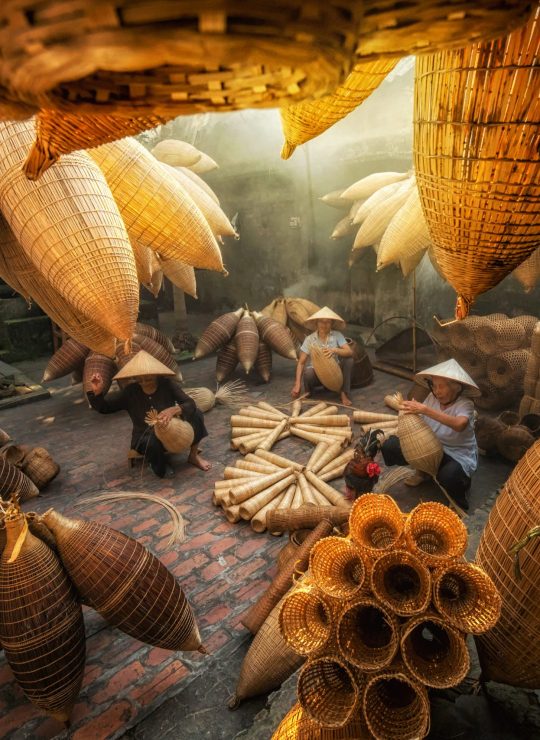
Economy The Gia Rai live on slash-and-burn cultivation and terraced fields. Rice is their staple food. They also breed elephants. The men are very skillful in basketry, and the women in cloth weaving. Hunting, gathering, and fishing are other sideline occupations.
|