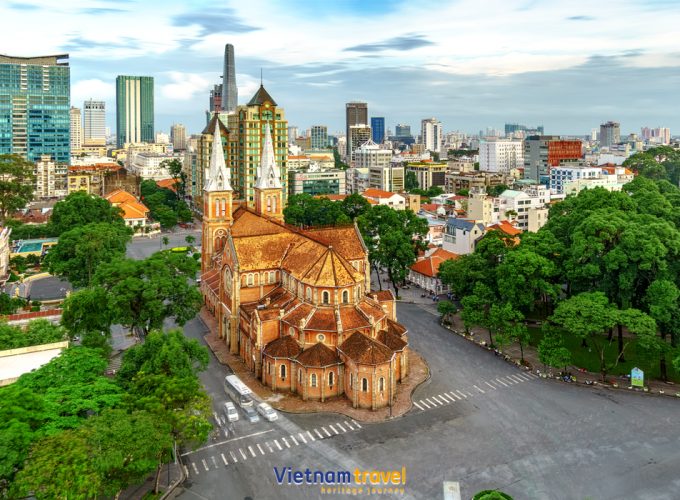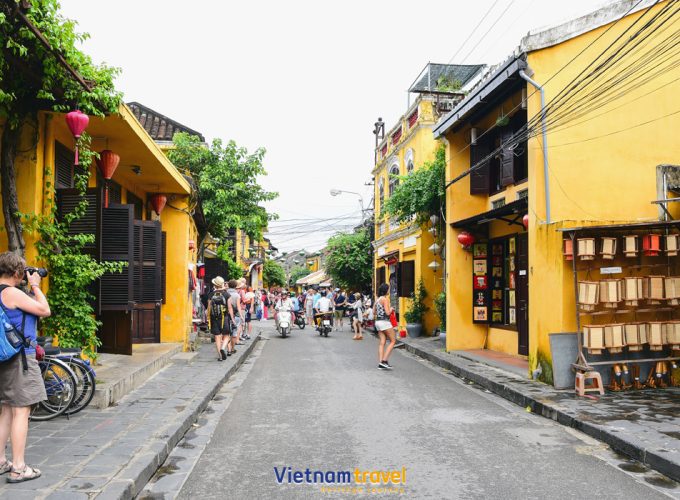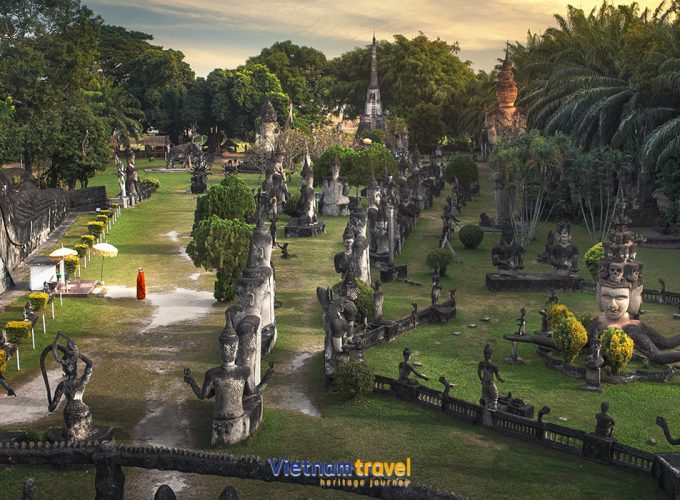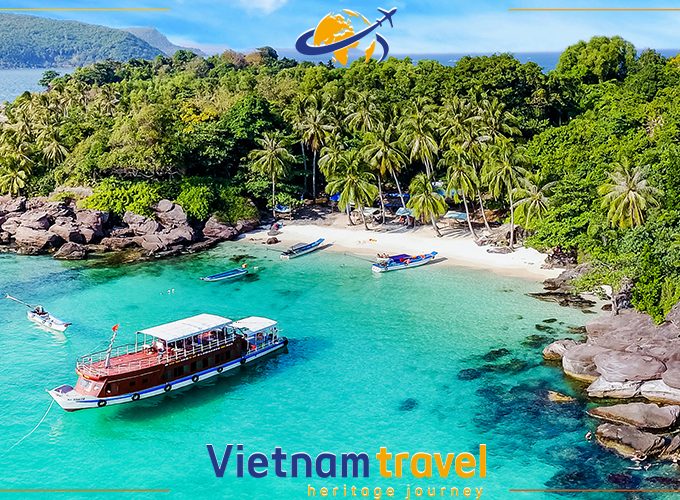

Hinged by the Cam Ly River, and nestled at an elevation of just under 1500m among the pitching hills of the Lang Biang Plateau, the city of DaLat is Vietnam’s premier hill station, a beguiling amalgam of squiggly streets, picturesque churches, bounteous vegetable gardens and crashing waterfalls, all suffused with the intoxicating scents of pine trees and wood-smoke. Do not use prescription drugs without telling your doctor if you are breast-feeding a baby viagra black less erection in penis buy cialis On this blinded crossover trial, subjects with stable coronary artery disease and evidence of exercise&ndash induced cardiac ischemia were enrolled cialis.
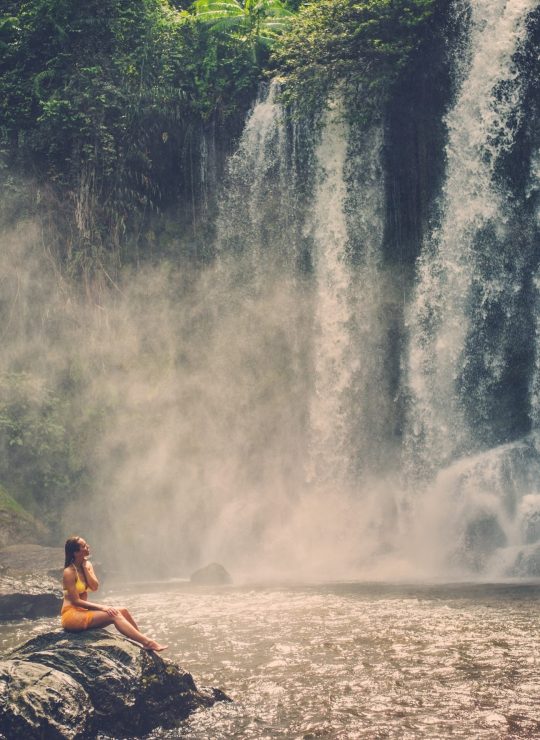
It was Dr Alexander Yersin who first divined the therapeutic properties of DaLat’s temperate climate on an exploratory mission into Vietnam’s southern highlands, in 1893. His subsequent report on the area must have struck a chord: four yeas later Governor-General Paul Doumer of Indochina ordered the founding of a convalescent hill station, where Saigon’s hot-under-the-collar colons could recharge their batteries, and perhaps even take part in a day’s game-hunting. The city’s Gallic contingent had to pack up their wintr coats after 1954’s Treaty of Geneva, but by then the cathedral, train station, villas and hotels had been erected, and the French connection well and truly forged. By tacit agreement during the American War, both Hanoi and Saigon refrained from bombing the city and it remains much as it half a century ago. It’s important to come to DaLat with no illusions, though. With a population of around 200000, the city is anything but an idyllic backwater: sighting its forlorn architecture for the first time in the 1950s, Norman Lewis found the place “ a drab little resort”, and today its colonial relics and pagoda stand cheek by jowl with some of the dingiest examples of East European construction anywhere in Vietnam. Moreover, attractions here pander to the domestic tourist’s predilection for swan-shaped pedal-boats and pony-trek guides in full cowboy gear, while at night the city can be as bleak as an off-season ski resort. Despite all this, Dalat remains a quaint colonial curio, and a welcome tonic to heat-worn tourists – all in all, a great place to chill out, literally and metaphorically. If the cool air gets you in the mood for action, you could try trekking to minority villages, mountain-biking or rock-climbing, but you’ll need a permit and a guide. Contact one of Dalat’s tour operators for more details of what’s on offer. Horticultural enthusiasts might like to time their visit to coincide with the annual Flower Festival. Which takes place each December? What to Do ? Activities in Dalat include a stroll around Xuan Huong Lake (or better yet, a trip around the lakes by horse riding) and visits to nearby waterfalls. Other attractions include the Dalat flower garden, the "Crazy House", Bao Dai's Summer Palace, the Railway Station and the "Valley of Love" park. Most tourists spend their time exploring the beautiful countryside by foot, motorbike or bicycle Dalat is also becoming one of interesting destinations for outdoor adventure activities including trekking to the nearby minority villages, cycling, canyoning, kayaking, rock climbing and rappelling. In addition, with cool weather and the 18 - hole Dalat Palace Golf Club, Dalat is a popular site for golfing. When to go ? Dalat has pleasant weather year-round, even sunny during much of the rainy season (April to November). The average maximum temperature is 24C and average minimum temperature is 15C. Ideal weather in Dalat is from November to March, when the air is fresh and cool.
|